Best Foot Massagers for Home: Heat, Shiatsu, Compression
The Renpho Shiatsu Foot Massager with Heat is the best foot massager for most homes because you can adjust kneading and compression separately. Choose MIKO for more compression settings, Nekteck for easier lifting, or Cloud Massage for feet and calf positioning.
On this page (11 sections)
- What is the best foot massager for home use?
- Which shiatsu foot massager fits your needs?
- How do you choose between kneading, compression and heat?
- How do you check foot fit and room size before buying?
- Which controls and cleaning features are worth prioritizing?
- How should you set up your first foot massage?
- What mistakes make a foot massager less comfortable?
- How do you keep a foot massager clean?
- Who should get medical advice before using heat or pressure?
- Should you buy a foot massager or a foot spa?
- Which is the best foot massager for your home?
The Renpho Shiatsu Foot Massager with Heat is the best foot massager for most homes because its kneading and compression adjust separately. That gives you more control when you enjoy pressure under your soles but want a gentler squeeze around your feet.
Choose MIKO if compression adjustment matters most, Nekteck if you'll move the machine often, or Cloud Massage if you also want ankle and calf positioning. The right choice depends on where you want pressure, how your feet fit and where the unit will live.
We compared the features, dimensions and fit information for these 4 models. For the steps after choosing one, see our guide on how to use a foot massager.
What is the best foot massager for home use?
Renpho is the strongest all-around choice for someone who wants to adjust different massage sensations without changing machines. The other picks suit more specific needs, including finer compression choices, easier lifting and lower-leg positioning.
Don't choose by feature count alone. A machine that fits your feet, stays within reach and is easy to put away is more useful than one whose extra settings you won't use.
For a quick shortlist, start with the task you need the machine to do:
| Your main need | Start with | Main tradeoff |
|---|---|---|
| Change kneading and squeezing separately | Renpho | Requires a dedicated floor and storage space |
| Choose among several compression settings | MIKO | Foot fit needs confirmation before ordering |
| Carry the unit between storage and a chair | Nekteck | Fewer compression choices than MIKO |
| Alternate between feet and lower legs | Cloud Massage | More weight to move and more space to plan |
These are choices for at-home relaxation, not a way to diagnose or treat persistent foot pain. Choose the feel and routine you want without relying on promises about a medical condition.
Which shiatsu foot massager fits your needs?
Start with the product that solves your main practical need, then use its drawbacks to decide whether it belongs on your shortlist. Each model below has a clear reason to buy it and a clear reason to pass.
Renpho: best foot massager for separate adjustments
The Renpho Shiatsu Foot Massager with Heat suits people who want to change the squeeze without also changing the roller speed. Its 9.1 score places it first in this comparison.
Separate controls matter when different parts of a massage feel uneven to you. You might enjoy a slower kneading pace while preferring lighter compression, rather than accepting a preset combination.
Renpho fits feet up to US size 13 and includes a remote, removable foot covers and a 15- or 30-minute auto-off timer. Those features suit a seated routine where you want to make changes without repeatedly leaning forward.
It measures 18.5 x 15.94 x 11.22 in and weighs 8.49 lb. Check the intended spot beside your chair, including the room needed to slide your feet in and out.
The heat reaches up to 122°F (51°C), and Renpho recommends switching it on 10 minutes before use. Plan that warm-up into your routine if warmth is a major reason you're buying.
Buy Renpho if you expect to adjust your massage as you go. Skip it if your main goal is calf positioning or if you need a lighter unit for frequent carrying.
Its separate settings don't tell you how gentle the lowest level will feel on your feet. Begin low, change one setting at a time and stop if the pressure becomes painful.
For alternatives centered on warmth, compare our best foot massagers with heat.
MIKO: for people who prioritize compression adjustment
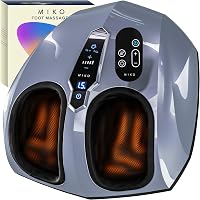
The MIKO Shiatsu Foot Massager with Air Compression suits people who want more choices in squeezing pressure. Its 8.9 score places it second here.
Its 5 air pressure settings give you more compression choices than the Renpho or Nekteck. That matters if you're particular about the squeeze, although more settings don't guarantee a softer minimum or stronger maximum.
MIKO also combines deep kneading, rolling and heat with 3 massage modes. Its design leaves the ankles free, allowing some foot movement rather than holding the ankles in place.
The wireless magnetic remote attaches to the machine between sessions. That storage point is useful if loose remotes tend to disappear beside your chair.
The unit measures 18 x 16 x 10 in and weighs 10 lb. Confirm that the foot openings accommodate your foot length and width, especially if you usually struggle with enclosed footwear.
MIKO provides 1 year of coverage. Keep the instructions and purchase record somewhere accessible in case you need support.
Buy MIKO if compression is the part of the massage you most want to fine-tune. Skip it if you already know you dislike squeezing pressure, or if carrying the machine is your main concern.
Before choosing it for the extra settings, decide whether you'll actually use them. If you prefer a simple preset routine, that adjustment range may be less useful than easier storage or cleaning.
See our best shiatsu foot massagers for more roller-based options.
Nekteck: for people who need easier lifting and storage
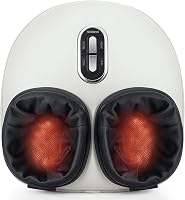
The Nekteck Shiatsu Foot Massager with Heat suits people who need a smaller, lighter machine with washable foot sleeves. Its 8.6 score places it third in this comparison.
At 14.6 x 13.4 x 6.9 in and 5 lb, it is the lightest option here. That's a practical advantage if you need to move the unit from a closet to your chair for every session.
Its detachable, washable sleeves also suit households where cover care is a priority. Plan to let them dry fully before refitting them, following Nekteck's washing instructions.
Nekteck fits feet up to US size 13 and provides warmth at 113°F (45°C). It describes the heat as slow to build, so don't judge the warmth in the first moments after switching it on.
Its 2 compression intensity levels offer less adjustment than MIKO. Choose it because those controls meet your needs, rather than expecting the same range in a smaller body.
Nekteck warns that deep massage may hurt new users and suggests thick socks for cushioning. Socks can change how direct the contact feels, but they aren't a reason to continue through pain.
Skip this model if its restrictions apply to you. Nekteck advises against use with pacemakers, heart disease, cerebral thrombosis, joint replacements, other major illnesses, or weak or sensitive bones or muscles.
Nekteck includes a 1-year warranty against defects in materials and workmanship. Its smaller size makes it easier to store, but doesn't make its deep kneading suitable for every user.
For a closer comparison of squeezing features, read our air compression foot massagers guide.
Cloud Massage: for people who want feet and calf positioning
The Cloud Massage Shiatsu Foot Massager suits people who want to reposition one machine for their feet, ankles or calves. Its 8.2 score places it fourth here.
The adjustable tilt bar is the main reason to choose it. That positioning flexibility matters more than another foot-only setting if you want your relaxation routine to include your lower legs.
It combines rollers and compression with adjustable intensity, multiple modes and 2 heat levels. Remote and onboard controls give you options for changing the session, while preset programs offer a quicker starting point.
An anti-slip base helps stabilize the unit during use. You still need a suitable surface and enough room to position your legs without stretching or perching on the edge of your chair.
At 20.87 x 17.32 x 9.06 in and 22 lb, it is the largest and heaviest model here. It makes the most sense beside a chair where it can stay between sessions.
Buy Cloud Massage if you'll use its positioning options and can leave it near your seat. Skip it if you need to carry a machine frequently or only want massage under your soles.
The standard size is described as fitting most users, which isn't an exact measurement for your feet or calves. Confirm fit for the body area you plan to use, especially if your feet are wide or your calves need extra room.
How do you choose between kneading, compression and heat?
Choose kneading for moving pressure, compression for squeezing and heat for warmth. These sensations serve different preferences, so decide which you want most before comparing the controls.
Kneading and rolling work on the soles
Shiatsu-style machines use moving massage parts to apply pressure under your feet. The contact shifts as the rollers move, which feels different from a steady squeeze.
Choose this style if you want a more focused sensation along the soles. Pass on deep-kneading models if you dislike firm contact under your arches or need something that feels like a gentle soak.
Speed and pressure aren't the same thing. Slower movement may still feel firm, so don't assume a low speed will solve uncomfortable contact.
Your foot position also changes where the rollers meet your soles. Set your feet as directed rather than pushing down harder to chase a particular spot.
Air compression adds a surrounding squeeze
Compression changes the feeling around your feet as air chambers inflate and release. It can complement rollers, but it won't suit someone who dislikes an enclosed, squeezing sensation.
The useful question is how much control you have over that squeeze. Independent adjustment helps if you want to keep the kneading while reducing compression.
Don't assume that separate adjustment means every function can be switched off on its own. If you want roller-only or compression-only sessions, confirm the exact operating options before ordering.
For more detail about how the sensations differ, read shiatsu vs kneading massagers.
Heat should be comfortable without needing maximum output
Heat adds warmth to the session; it doesn't make a poor fit or painful pressure acceptable. Choose it because you enjoy warmth while seated, rather than as proof that a machine massages better.
Temperature figures also don't describe every part of the experience. Warm-up time, foot coverings and your own heat sensitivity affect how the session feels.
Give the machine the warm-up time its instructions require. If it feels too hot, stop or adjust it as directed rather than waiting for your feet to adapt.
How do you check foot fit and room size before buying?
Check foot length, width and entry space before choosing by shoe size alone. Then measure the area where you'll sit and the place where the machine will be stored.
Foot length is only the starting point
A maximum shoe size helps narrow the options, but it doesn't answer every fit question. Wide feet, a high instep and bulky socks can change how an enclosed opening feels.
Look for enough room to insert and remove your feet without forcing them. Your feet should rest in the intended position rather than curl or press awkwardly against the end.
If you're close to a stated size limit, confirm the fit before ordering. Our foot massager guide for large feet explains which measurements deserve attention.
Measure the seated position, not just the storage shelf
A machine may fit under a chair yet be awkward to use there. You need room for your knees, a relaxed leg position and a clear route for your feet to enter the openings.
Sit in the chair you plan to use and mark the machine's footprint on the floor with paper. Check whether your feet reach that spot without stretching forward.
Consider the cable route as well. Keep it away from a walkway and follow the instructions for connecting the machine to power.
Think through the whole carrying task
Weight matters at both ends of a session. A machine that's manageable from a shelf may still be awkward to lift from floor level.
Choose storage you can reach without twisting, and let the unit cool if its instructions require that before putting it away. Never carry it by its cable.
For a shared household, check who will move it most often. Buying around the strongest person's lifting ability can leave the regular user dependent on help.
Which controls and cleaning features are worth prioritizing?
Prioritize controls you can reach and covers you can care for easily. Those details affect every session, while an extra mode may rarely get used.
A remote is useful when bending toward the floor is difficult. Keep it within reach before putting your feet into the machine, and learn the stop control before starting.
Check the instructions for remote battery installation and replacement. A remote doesn't imply cordless operation, so plan the machine's power connection separately.
Presets suit people who want to start with fewer choices. Separate controls suit people who want to change one part of the massage while keeping the rest steady.
For a shared machine, removable fabric parts make regular care easier to plan. Each person should still use clean, dry feet and follow the same basic cleaning routine.
Don't assume all removable covers can go through the same wash cycle. Follow the specific directions for washing, drying and refitting them so they don't bunch up or fit poorly afterward.
If you have limited hand strength, consider the steps involved in cover removal as well as the controls. A cleaning feature only helps when you can comfortably use it.
How should you set up your first foot massage?
Start seated, with dry feet and the lowest comfortable setting. Use the first session to learn the controls and fit rather than trying every feature at once.
Prepare the chair and machine first
Read the model's instructions before connecting it to power. Place the machine on the surface the brand recommends, away from water and any route where someone could trip.
Choose a chair that supports you while both feet rest naturally in the machine. Put the remote nearby and make sure you can stop the session without shifting awkwardly.
Inspect the cable, covers and accessible surfaces before use. Don't operate a damaged machine or one with a loose cover that could interfere with normal operation.
Begin with a simple combination
Start at the lowest available pressure and a brief session within the instructions. Keep heat off at first if the controls allow and you want to understand the massage feel separately.
Change one setting at a time. That makes it easier to identify whether the rollers, squeeze or warmth need adjustment.
Wear socks only as the instructions permit. Avoid wrinkles or bulky seams under the soles, and don't add towels or other loose padding inside the machine.
Check how your feet feel afterward
A comfortable session doesn't need to reach the timer's full length. Stop early if the sensation becomes unpleasant, and check for soreness or unusual skin changes afterward.
Keep the next session similar before adding more intensity or time. If you change several things at once, you lose a useful reference for what felt comfortable.
Stay awake and able to respond throughout the session. The auto-off feature is a backup limit, not a reason to leave the machine running unattended.
What mistakes make a foot massager less comfortable?
Too much pressure, poor positioning and longer-than-directed sessions are avoidable mistakes. Better results come from a comfortable fit and restrained adjustments, not from enduring stronger sensations.
- Choosing maximum pressure immediately: Start low so you can judge each sensation before increasing it.
- Pressing down with body weight: Stay seated and let the machine work as directed; don't stand on it.
- Treating pain as progress: Pain is a reason to stop, not proof that a tight area needs more pressure.
- Restarting after every timer cycle: Follow the session and rest guidance instead of stacking cycles.
- Forcing a cramped fit: More pressure won't correct an opening that's too short or narrow.
- Using lotion without checking first: Oils and creams can soil fabric and surfaces; follow the care instructions.
- Expecting instant strong heat: Allow the proper warm-up period rather than repeatedly changing settings.
- Ignoring soreness afterward: Take a break and reassess the settings instead of continuing the same routine.
A mild setting can be the right long-term choice. There's no need to keep increasing intensity once you've found a session you enjoy.
How do you keep a foot massager clean?
Unplug the machine before cleaning, and keep water out of the housing. Care for fabric parts and hard surfaces according to the model's instructions.
Start with clean, dry feet so less sweat and dirt reach the covers. If several people share the machine, agree on a regular cover-care routine rather than waiting for an odor.
Remove washable sleeves only in the way the instructions describe. Use the approved washing method and let them dry fully before putting them back.
Refit covers smoothly so seams and folds don't sit under your soles. Check that closures are secure before the next session.
For the housing, use the cleaning method the brand allows. Don't spray cleaner into openings, soak the machine or run it to dry damp fabric.
Store the unit in a dry place with the cable arranged loosely enough to avoid strain. Keeping the remote in one set place also makes the next session easier to start.
Who should get medical advice before using heat or pressure?
Ask a health professional first if a condition affects feeling, circulation or the tissues in your feet. Persistent or unexplained pain needs assessment rather than a stronger massage setting.
Reduced sensation can make it harder to judge heat and pressure. Don't choose a machine around claims about diabetes, neuropathy or circulation without advice specific to your condition.
Follow each model's restrictions, including the Nekteck warnings above. General guidance for one machine doesn't override another model's instructions.
Avoid massaging broken skin, a recent injury or an area with unexplained swelling. Stop for pain, numbness, uncomfortable heat or a noticeable skin change.
For the broader questions to consider before starting, read are foot massagers safe?.
Should you buy a foot massager or a foot spa?
Choose a foot massager for dry kneading and squeezing, or a foot spa for a water-based soak. The better routine is the one that gives you the sensation you want with cleanup you can manage.
A dry machine avoids filling and draining a basin. You'll still need to clean its covers and surfaces, but you won't be carrying a tub of water after each session.
A foot spa makes more sense if soaking is the main attraction. Don't buy a roller machine expecting it to recreate the feel of warm water around your feet.
Consider where you'll fill, empty and dry a spa before choosing one. A nearby sink and an easy draining route can matter as much as the basin's features.
Our foot massager vs foot spa comparison explains the practical differences. For water-based options, see our guide to foot spas and baths.
If you choose a basin, follow how to clean a foot spa so cleanup becomes part of the routine from the start.
Which is the best foot massager for your home?
Choose Renpho when control over kneading and squeezing is your main need. Choose MIKO when compression adjustment matters more, provided its openings suit your feet.
Pick Nekteck when frequent lifting and smaller storage space drive the decision, after checking its restrictions. Choose Cloud Massage when you'll use the foot, ankle and calf positions and have a place to leave the heavier unit.
Before ordering, make 3 decisions: where it will sit, where it will be stored and which sensation you want most. Those answers will narrow the choice more usefully than another massage mode.
The best foot massager should fit both your feet and your routine. Once you've chosen, use our foot massager setup guide to plan a gentle first session.
Frequently asked questions
What kind of foot massager is best for home use?
A shiatsu model with adjustable pressure is a useful starting point for home relaxation. Choose separate kneading and compression controls if you want to change each sensation, then check foot fit, access to the controls and storage space.
A calf-capable design makes sense only if you'll use that extra positioning.
Is heat useful in a foot massager?
Heat is useful if you enjoy warmth during a massage, but it doesn't replace kneading or compression. Compare heat controls rather than choosing the highest temperature alone.
Allow the warm-up time in the instructions, and stop if the warmth becomes uncomfortable or you notice a skin change.
Should I choose shiatsu or air compression?
Choose shiatsu for moving pressure from rollers, or air compression for a squeezing sensation around your feet. Many machines combine them, so the more useful question is how each sensation adjusts.
If you dislike one of them, confirm that the model allows the session you want before buying.
How long should you use a foot massager?
Follow your model's instructions and begin with a brief session at the lowest comfortable setting. An automatic timer is a stopping point, not a target you must reach.
Stop sooner for pain, numbness or unusual discomfort, and don't immediately restart the machine to extend a session beyond its guidance.
Can you use a foot massager every day?
Daily use depends on the model's instructions and how your feet respond. Start with brief sessions, then avoid increasing strength, length and frequency all at once.
Take a break if your feet feel sore afterward, and ask a health professional first if a condition affects your sensation or circulation.