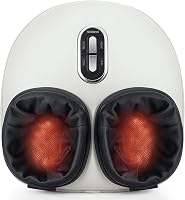
Foot Massager vs Foot Spa: Which Should You Buy? (October 2026)
The foot massager vs foot spa choice comes down to your routine: choose dry kneading and compression for less setup, or a warm soak if you're willing to fill, drain and clean a tub.
On this page (10 sections)
- Foot massager vs foot spa: what feels different?
- Who should buy each type, and who should skip it?
- Which product matches your routine?
- What should you measure before ordering?
- How should you set up your first session?
- How much cleaning does each type need?
- Which common mistakes should you avoid?
- Are there safety differences to keep in mind?
- Which should you buy: a foot massager or foot spa?
- Sources
Choose a foot massager for dry kneading and compression, or a foot spa for a warm soak with optional massage. The foot massager vs foot spa decision depends as much on filling and cleanup as it does on how either device feels.
RENPHO suits a quick seated routine without water. HOSPAN and LZHYWEI suit people who want soaking to be part of the session and have somewhere to fill, empty and dry a tub.


Foot massager vs foot spa: what feels different?
A dry massager presses moving parts against your feet; a spa combines water contact with massage beneath your soles. Neither type is automatically gentler, since the feel depends on pressure, foot position and the settings you choose.
Enclosed massagers can combine rollers with air compression, which adds a squeezing sensation around the feet. If you want that surrounding pressure, look for compression rather than assuming every device labeled “shiatsu” includes it.
A spa's bubbles add movement in the water, while powered massage balls provide direct contact underfoot. Bubbles alone don't replace kneading, and a feature called massage may require you to move your feet on some tubs.
The 2 spas here have automatic rotary massage, so you don't need to slide your feet over stationary rollers. You can still change foot position to avoid leaving a tender spot pressed against the same contact point.
Heat also feels different across the categories. Warm water surrounds the submerged skin, while a dry massager warms the areas near its heating elements; comparing maximum temperature numbers won't tell you which experience you'll prefer.
Foot massager or foot spa for your evening routine?
Choose dry massage for convenience and a spa for a planned soak. Think about what you'll still be willing to do when you're tired, including putting the device away.
A dry unit fits a reading or TV routine if you can sit upright with your feet comfortably placed inside. If you mainly want water around your feet, even a feature-rich dry massager won't meet that preference.
For a closer look at the moving parts, read how shiatsu foot massagers work. That guide helps separate kneading from warmth and squeezing.
Who should buy each type, and who should skip it?
Buy a dry massager when pressure is the main draw; buy a spa when soaking is essential. Skip either category if its basic routine doesn't fit your body, home or willingness to clean.
A dry massager suits someone who wants regular access to massage without carrying water. It's also a practical starting point if a filled basin would be awkward to move or empty.
Skip an enclosed model if you can't place and remove your feet comfortably. A foot opening that feels tight before massage begins is a reason to choose another design, not increase pressure and hope it improves.
A foot spa suits someone who enjoys setting aside time for a soak. It makes more sense when a suitable water source, emptying point and drying area are close to the chair you'll use.
Skip a spa if you'll need to carry it full across stairs or through a cluttered room. Folding storage doesn't solve a difficult water-handling route.
For a shared household device, consider who will clean it after each use. Removable covers help with a dry massager, while a spa needs the whole wet basin cleaned and dried before storage.
Which product matches your routine?
Choose RENPHO for adjustable dry pressure, HOSPAN for a simple soaking routine, or LZHYWEI for its draining and tub-support details. The useful differences are how they fit into your session and what happens afterward.
| Product | Best for | Massage | Heat | Foot fit | Our score |
|---|---|---|---|---|---|
| Renpho Shiatsu Foot Massager with Heat | busy evenings | Shiatsu, kneading, rolling and compression | Up to 122°F | Up to US size 13 | 9.1 |
| HOSPAN Collapsible Foot Spa with Heat | evening soaks | Rotary massage balls and bubbles | 95°F to 118°F water control | 8.3 | |
| LZHYWEI Collapsible Foot Spa with Heat | frequent spa users | Rotary massage balls and bubbles | 95°F to 118°F water control | 7.7 |
RENPHO: for kneading and compression without water
RENPHO combines shiatsu, kneading and rolling with compression. Its 3 kneading speeds and 3 squeeze intensities adjust independently, which suits someone who wants to fine-tune movement and squeezing separately.
It accommodates feet up to US size 13, but shoe size is only a starting point. Foot width, instep height and where your heel sits also affect comfort inside an enclosed chamber.
The remote lets you change settings without reaching down to the panel. Removable foot covers provide a way to clean the fabric that contacts your feet.
Choose it if pressure is your priority and you can leave room for a fixed unit. Pass if your main goal is soaking or if enclosed foot chambers don't suit you.
HOSPAN: for a warm soak with automatic massage
HOSPAN suits someone who wants water, bubbles and moving massage balls in one tub. Its 6 groups of massage balls offer continuous, intermittent and intelligent modes.
The magnetic remote can attach to the tub between sessions. During use, aim it at the display within 1 meter, at the specified 90-degree angle to the red light.
That aiming requirement matters if you plan to operate it from a chair with an armrest or blanket blocking the display. Keep the remote somewhere dry and easy to reach before putting your feet in.
Choose HOSPAN when soaking is the main attraction and a folding tub fits your storage. Don't choose it simply to avoid a dry massager's bulk if water cleanup will discourage regular use.
LZHYWEI: for a spa routine with easier emptying options
LZHYWEI suits someone who values the practical parts of opening, controlling and emptying a tub. It includes a touchscreen, remote, carry handle, locking support rods and drainage outlet.
Its 6 sets of rotating massage balls have continuous, intermittent and smart modes. Bubbles add water movement, while the red light is a visual feature rather than a reason to expect a health benefit.
Power-on takes 2 steps: flip the lower-left switch, then press the digital power button. Check both before assuming the spa won't start.
Choose it if the drain can work with your planned emptying spot. The carry handle doesn't remove the need to check safe handling instructions before moving a filled tub.
For a wider choice, compare the best foot massagers for home and best foot spas for home. Our foot spa buying guide covers the basin features worth checking.
What should you measure before ordering?
Measure your feet, the use area and the storage space before choosing either type. A device that fits in a closet can still be awkward beside your chair.
For a dry massager, check foot length and width along with the supported shoe size. Our guide to foot massagers for large feet explains why a size limit doesn't answer every fit question.
RENPHO measures 18.5 x 15.94 x 11.22 inches and weighs 8.49 pounds. Allow extra space to place your feet inside and remove them without catching your legs against furniture.
For a spa, confirm usable basin space rather than treating outside dimensions as footroom. Your toes and heels need room to rest without being pressed against the walls.
Both featured spas fold to 5.5 inches for storage. Measure the full folded footprint too, and leave a separate place for the open tub to dry.
Picture the route from faucet to chair to drain. If you can't handle a filled tub comfortably, choose a dry massager or another setup that avoids that carry.
How should you set up your first session?
Start with a stable seat, reachable controls and mild settings. Arrange the space before switching anything on so you won't need to stretch, stand abruptly or reach across water.
Set up a dry massager
Place the unit on a level floor and sit with your legs at a comfortable angle. Use it seated, and don't stand on the housing or push your body weight into the moving parts.
Start with low kneading and low compression, then change one setting at a time. This makes it easier to identify which adjustment feels comfortable rather than increasing everything together.
RENPHO offers 15- or 30-minute auto-off settings and heat up to 122°F. The brand recommends switching the heat on 10 minutes before use if you want warmth, but you don't need the highest heat setting.
See how to use a foot massager for more help with foot position and controls.
Set up a foot spa
Open the tub fully and secure any supports before filling it. Follow the fill marks and the instructions for water temperature, power connection and heater operation.
Keep the electrical connection and surrounding floor dry. Set a towel within reach so you can dry your feet before standing, and route the cord where it won't become a trip hazard.
HOSPAN and LZHYWEI both control water temperature from 95°F to 118°F and offer timers from 10 to 60 minutes. Those ranges are options, not targets you need to reach.
Start with a short, comfortably warm soak and adjust from there. Read how to use a foot spa before the first fill, especially if powered massage and heat are new to you.
How much cleaning does each type need?
A dry massager has fewer cleanup steps, while a spa needs care after every soak. Choose with that difference in mind if you expect frequent use.
For a dry unit, disconnect power as directed and clean contact surfaces using the approved method. Remove washable covers only as instructed, and let them dry fully before putting them back.
Don't immerse the massager or spray cleaner into its openings. Let cleaned surfaces dry before storage, especially if the unit will go into a closed cabinet.
For a spa, empty it after use rather than leaving water until the next session. Clean around massage balls and other removable parts as instructed, then allow the basin to dry fully before folding.
A drainage outlet changes how water leaves the tub, but it doesn't clean the basin. Our guide to how to clean a foot spa covers the care steps in more detail.
Use only additives approved for the specific tub. Check what you can put in a foot spa before adding salts, oils or bubble products that may leave residue or interfere with moving parts.
Which common mistakes should you avoid?
Avoid chasing stronger pressure, hotter settings or longer sessions as signs of better value. A comfortable routine you can repeat matters more than using every feature at once.
- Buying for heat alone: decide whether you want warm water or dry contact warmth before comparing controls.
- Ignoring fit: a supported shoe size doesn't guarantee comfortable pressure across every foot shape.
- Treating the timer as a goal: stop sooner if your feet feel uncomfortable, even when time remains.
- Overfilling a spa: leave the required room for your feet to displace water.
- Adding unapproved soak products: foam and residue can create extra cleanup or affect operation.
- Folding a damp basin: dry it fully before closing it up.
- Combining too much at once: learn your preferred heat and massage settings separately before building a longer routine.
If using both types, finish the soak, put the spa safely aside and dry your feet completely before approaching the dry massager. You don't need back-to-back sessions to make either device worthwhile.
Are there safety differences to keep in mind?
Both types need care with heat and mechanical pressure; a spa also adds water near electrical parts. Follow the device instructions and stop if you feel pain, burning, numbness or uncomfortable squeezing.
Don't use a device to work through an unexplained sore spot. Persistent pain, new swelling or a wound needs attention beyond choosing a different massage mode.
If you have diabetes, reduced foot sensation, poor circulation or another condition that affects your feet, ask a health professional whether heated soaking or powered massage is suitable. Reduced sensation can make heat and pressure harder to judge.
For broader guidance, read are foot massagers safe?. Use the instructions supplied with your device for operating limits and care.
Which should you buy: a foot massager or foot spa?
Settle the foot massager vs foot spa choice by walking through your next session from start to finish. Include getting the device out, using it, cleaning it and putting it away.
Choose RENPHO if you want adjustable kneading and compression and would rather avoid water handling. It makes sense when a short seated massage is the habit you're trying to build.
Choose HOSPAN if the soak itself is what you'll look forward to. Pick LZHYWEI if its drainage outlet, touchscreen and support rods better fit the place where you'll use the tub.
If you're still unsure, decide which job you want first: direct dry pressure or time with your feet in warm water. Then compare foot massagers for home or browse the foot spas and baths guide within that category.
Sources
These resources cover bathroom safety and reduced foot sensation. Follow your device's instructions for operation, cleaning and safe water handling.
Frequently asked questions
What is the difference between a foot massager and a foot spa?
A dry foot massager applies mechanical pressure, while a foot spa holds water for soaking and may add moving rollers, bubbles and heat. Choose a massager when kneading or compression is your priority; choose a spa when you want a soak and can manage the water afterward.
Does a foot spa massage as well as a foot massager?
A foot spa can provide mechanical massage, but it won't necessarily feel like an enclosed dry massager. The featured spas move massage balls beneath your soles, while RENPHO also provides compression around your feet.
Choose by the type of contact you want rather than the number of modes.
Which is easier to clean, a foot massager or a foot spa?
A dry massager usually involves fewer cleanup steps because there's no basin to empty and dry. Its contact surfaces still need care, and removable liners must dry fully before reuse.
A foot spa needs attention after every soak, including cleaning around massage parts according to its instructions.
Can you use a foot massager and a foot spa together?
Use them separately, with fully dry feet before entering a dry electric massager. Keep the massager away from the tub and any splashes, and follow both devices' instructions.
There's no need to combine sessions to get value from either product, especially while learning which settings feel comfortable.
Which should you choose for small-space storage?
A collapsible spa can suit a shallow storage gap, but you must allow room for its full footprint and drying between uses. A fixed dry massager needs more permanent space.
Measure your intended storage spot, then consider whether you can comfortably move the device each time.