What Is a Shiatsu Foot Massager and How Does It Work?
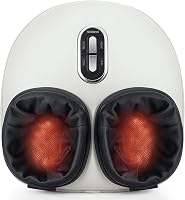
A shiatsu foot massager works with motor-driven nodes or rollers that press and knead your feet. Air compression adds squeezing, while heat adds warmth; separate controls help you find a comfortable mix.
On this page (10 sections)
- How does a shiatsu foot massager work inside?
- What do kneading, rolling, and compression feel like?
- Which controls help you find comfortable pressure?
- What does heat add to a shiatsu foot massage?
- When are remote controls and washable liners worth choosing?
- How should you set up your first session?
- Which mistakes can make a session uncomfortable?
- How do you keep a foot massager clean?
- Who should skip a shiatsu foot massager?
- How does a shiatsu foot massager work for your buying decision?
A shiatsu foot massager works with motor-driven nodes or rollers that press and knead your feet. Some models add inflatable chambers for squeezing pressure and a heating function for warmth.
The useful difference between machines is how much control you have over those sensations. Fit, separate pressure settings, and easy cleaning matter more than choosing the strongest massage.
How does a shiatsu foot massager work inside?
A motor moves massage nodes or rollers beneath your feet, creating repeated pressure as they turn. The foot chambers hold your feet near those moving parts while you sit.
Nodes concentrate pressure on smaller areas, while rollers move contact along parts of the foot. Their shape and position determine where you feel the massage, so a machine won't necessarily reach the exact spot you want.
Air compression works separately: inflatable sections fill and release around the feet. That squeeze can change how firmly your soles meet the moving massage parts.
How do shiatsu foot massager settings change the action?
Settings change the motion, squeeze, or timing, depending on the device. A kneading-speed control changes how quickly the mechanism moves; a compression control changes the surrounding squeeze.
Preset modes combine actions into set patterns. More modes don't automatically mean a better fit, especially if you mainly want one comfortable setting.
For a broader overview of shiatsu foot massagers, compare the mechanisms and controls alongside the areas they reach.
What do kneading, rolling, and compression feel like?
Kneading and rolling create moving points of pressure, while compression produces a broader squeeze-and-release sensation. Decide which sensation you want before comparing extra features.
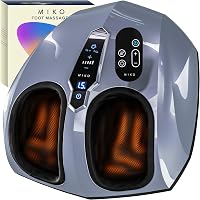
The MIKO Shiatsu Foot Massager with Air Compression suits someone who wants several massage actions in one machine. It combines deep kneading, rolling, compression, and heat, with 5 air pressure settings and 3 massage modes.
Its wireless magnetic remote attaches to the unit, keeping the controls within reach between sessions.
Choose MIKO if a choice of squeeze levels matters to you. Skip it if you need a light machine to carry often: it weighs 10 pounds and measures 18 x 16 x 10 inches.
Don't assume a low compression setting also slows the rollers. Check what each control changes, and reduce the relevant setting if one part of the massage feels too strong.
If you're unsure about the labels, shiatsu vs kneading massagers explains where those terms overlap.
Which controls help you find comfortable pressure?
Separate kneading and compression controls are useful when you like one sensation stronger than the other. They let you reduce squeezing without automatically changing the movement beneath your soles.
The Renpho Shiatsu Foot Massager with Heat offers 3 kneading speeds and 3 squeezing intensities, adjusted independently. Choose it if you want to fine-tune those actions rather than rely only on presets.
RENPHO also includes a remote and 15- or 30-minute auto-off options. The timer is a stopping point, not a session length you need to complete.
Skip RENPHO if you want only gentle warmth and dislike moving pressure. Adjustable controls help tailor a massage, but they don't turn a kneading machine into a simple foot warmer.
What does heat add to a shiatsu foot massage?
Heat adds warmth rather than massage force. Choose it for comfort, not as proof that a machine kneads more effectively.
RENPHO specifies heat up to 122°F (51°C) and recommends switching it on 10 minutes before use. Nekteck specifies 113°F (45°C) and notes that its warmth builds slowly.
Those figures aren't comfort targets or a reason to choose the hotter machine. Follow the manual's warm-up instructions, and keep heat off if warmth feels unpleasant.
The Nekteck Shiatsu Foot Massager with Heat combines 3 preset modes with 2 compression intensity levels. It suits someone who wants a shorter menu of choices and a machine that's easier to move.
Nekteck measures 14.6 x 13.4 x 6.9 inches and weighs 5 pounds. Skip it if you want more compression steps or separate kneading-speed adjustment; those are reasons to favor the alternatives above.
Nekteck cautions that its deep massage may feel painful to new users. Don't use thicker socks or extra padding to push through pain; stop if the pressure hurts.
When are remote controls and washable liners worth choosing?
A remote reduces reaching, while removable washable liners make routine cleaning simpler. Both matter if you plan to leave the machine under a desk or use it regularly.
The Mountrax Foot Massager with Heat and Air Compression has touch controls and a wireless remote. It also offers adjustable kneading, multiple compression levels, timer options, and independent heat control.
Choose MOUNTRAX for seated adjustments and the option to leave warmth off. Skip it if your feet exceed its stated limit of US men's size 12.
RENPHO and Nekteck each state a fit up to US size 13. All 3 of these models have removable washable foot covers or liners.
A size limit doesn't describe foot width or arch shape. If you're near the limit, use the foot massager fit guide for large feet to narrow your choices before buying.
How should you set up your first session?
Start seated, with relaxed feet and the lowest settings. Place the machine on a stable, dry floor where its cord won't cross a walkway.
Choose a chair that lets your legs rest comfortably without forcing your ankles into the openings. Keep the controls within reach so you can stop promptly.
Read the manual before deciding whether to wear socks and how long to run the machine. Keep your first session shorter than the maximum allowed time so you can judge the pressure.
Begin without heat if you want to separate the warmth from the massage sensation. Change one setting at a time, then pause to judge whether it feels comfortable.
Don't stand on the device or press your feet down to create stronger pressure. For a fuller setup sequence, follow how to use a foot massager.
Which mistakes can make a session uncomfortable?
The main mistakes are starting too strongly, forcing your feet against the rollers, and continuing through pain. A stronger sensation isn't evidence of a more useful session.
Don't raise compression and kneading together on your first try. You won't know which change caused discomfort, and the combined pressure may feel much stronger.
Avoid restarting immediately just because the timer ends. Check how your feet feel afterward before deciding on another session.
Our guide to how often you can use a shiatsu foot massager explains pacing and when to take a break.
How do you keep a foot massager clean?
Keep the covers clean and the electrical housing dry. Unplug the machine before cleaning, and let it cool if you've used heat.
Follow the manual's washing method for removable liners. Let them dry fully before refitting them, and don't run the machine with covers removed unless its instructions allow that.
Wipe the outer housing as directed rather than spraying cleaner into the openings. Never immerse an electric foot massager or add water, oils, or foot-soak products to its chambers.
Store it somewhere dry, with the cord loosely arranged. Clean, dry feet also help keep the interior fresh between washes.
Who should skip a shiatsu foot massager?
Skip use on injured or irritated areas, and stop for pain, numbness, tingling, or skin changes. Ongoing foot pain needs medical advice rather than stronger settings.
Ask a clinician before use if you have diabetes, reduced sensation, circulation concerns, or another condition affecting your feet. Reduced sensation can make it harder to judge heat and pressure.
Nekteck advises against this model for people with pacemakers, heart disease, cerebral thrombosis, joint replacements, other major illnesses, or weak or sensitive bones or muscles. Follow those restrictions and each device's instructions.
Read are foot massagers safe before choosing a machine if any of these concerns apply.
How does a shiatsu foot massager work for your buying decision?
Choose by fit first, then pressure control: knowing how a shiatsu foot massager works helps you decide which actions you actually want. Extra heat or modes won't solve an uncomfortable foot chamber.
Pick MIKO for varied squeeze settings, RENPHO for separate speed and squeeze adjustment, Nekteck for a lighter machine with fewer compression choices, or MOUNTRAX for remote adjustments and independent heat control.
If you dislike firm moving pressure, reconsider the massage style before buying. Compare the best foot massagers for home to find the combination of fit, controls, and massage action that suits your routine.
Frequently asked questions
What does shiatsu mean in a foot massager?
Shiatsu means focused pressure in this setting, created by powered nodes or rollers pressing against your feet. It describes a massage style, rather than one standard mechanism or strength level.
Compare the areas each device reaches and its pressure controls before choosing one for your routine.
Does a shiatsu foot massager use needles?
No, a shiatsu foot massager uses moving rollers or massage nodes, not needles. These parts apply pressure through the foot chambers or covers, sometimes alongside inflatable compression sections.
Sharp or stabbing pain isn't a reason to continue; stop the machine and remove your feet if a session hurts.
Is heat required for a shiatsu foot massage?
No, heat adds warmth but doesn't drive the massage mechanism. A model with independent heat control lets you use kneading or compression without warming your feet.
Choose that option if you prefer cooler sessions, and ask a clinician before using heat if you have reduced foot sensation.
How should a beginner use a shiatsu foot massager?
Start with the lowest settings and a short session within the manual's limits. Keep your feet relaxed, change only one control at a time, and stop for pain, tingling, or numbness.
The guide to how to use a foot massager explains setup and basic precautions.